$700,000
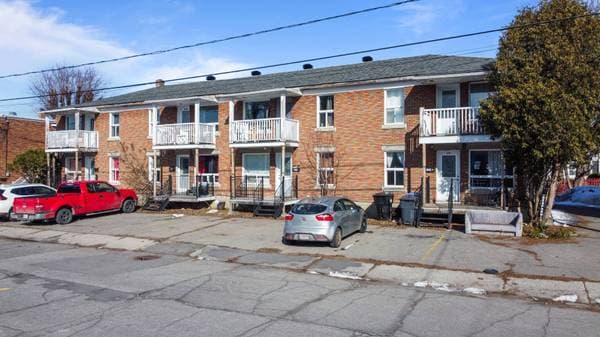
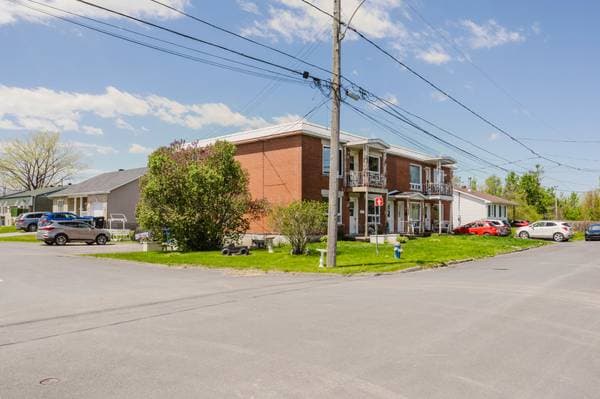
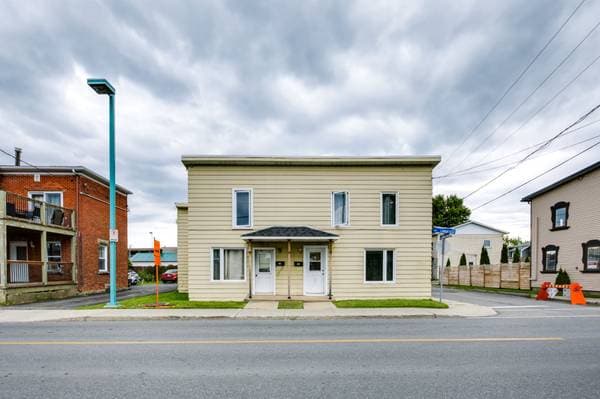
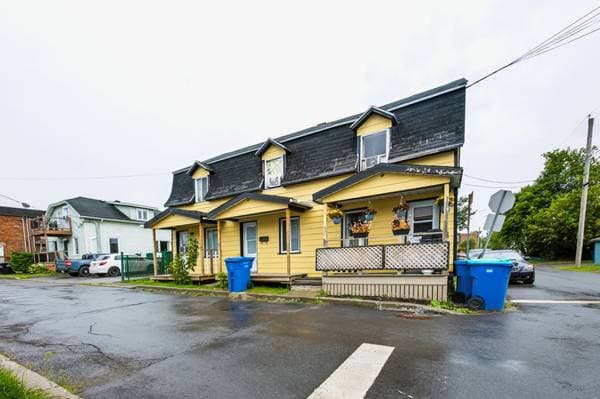
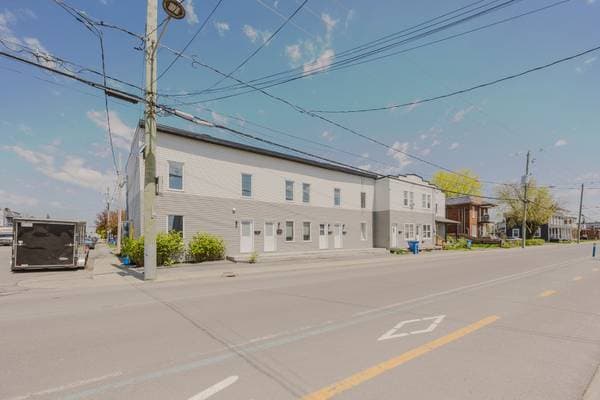
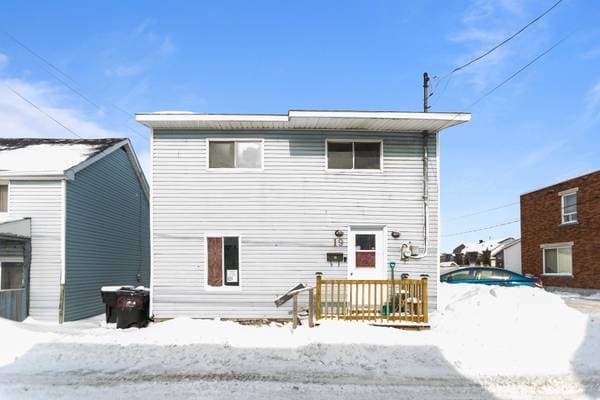
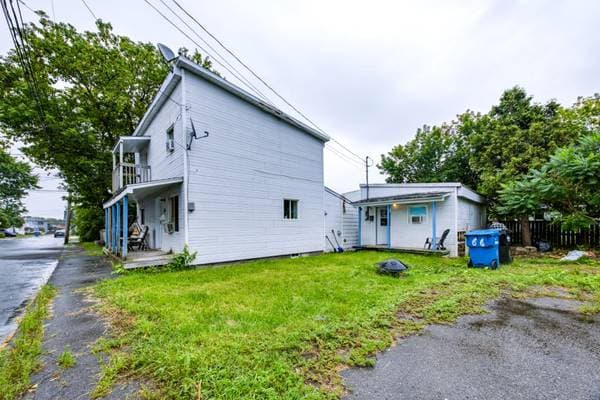
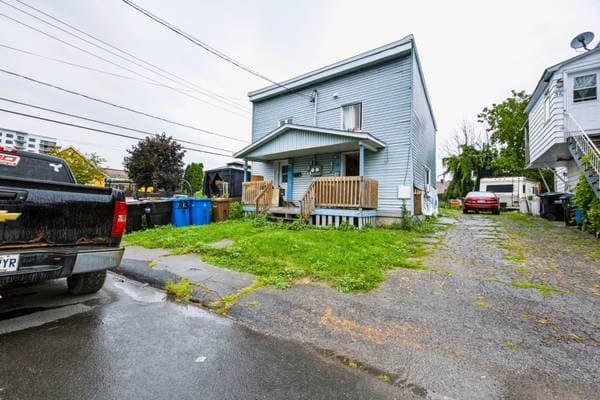
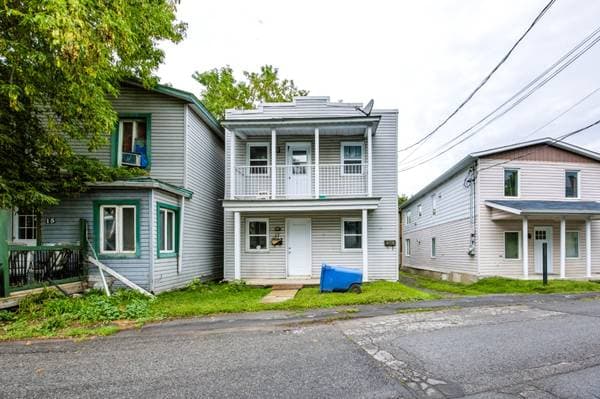
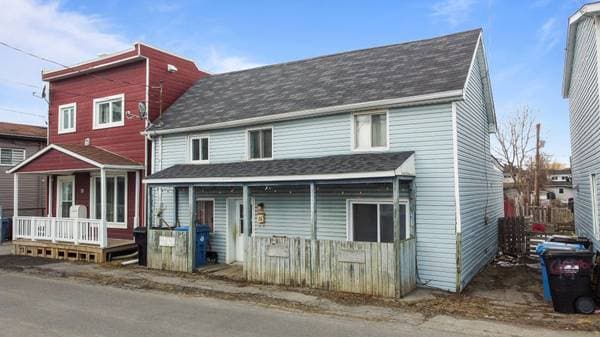
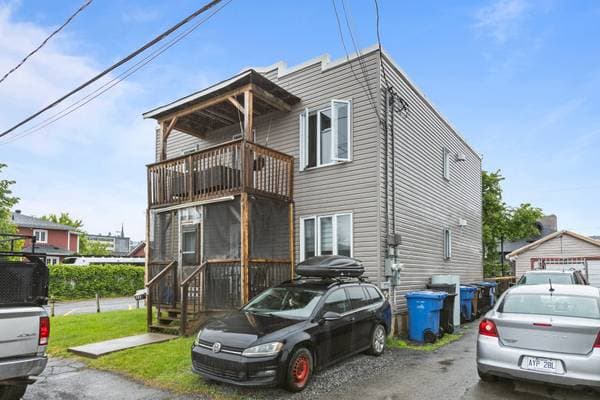
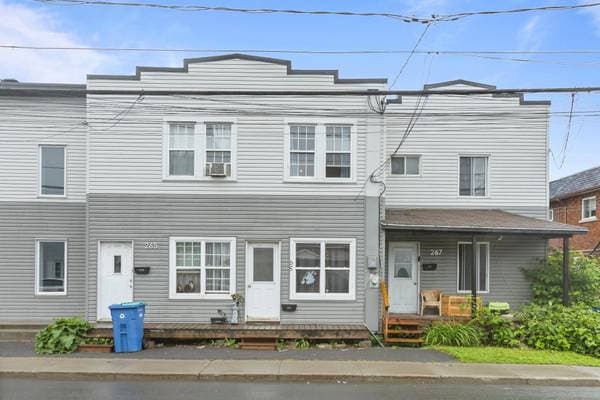
265 -267 Boul. du Havre
Salaberry-de-Valleyfield
1 bed1 bath2100 ft²
Off-Island
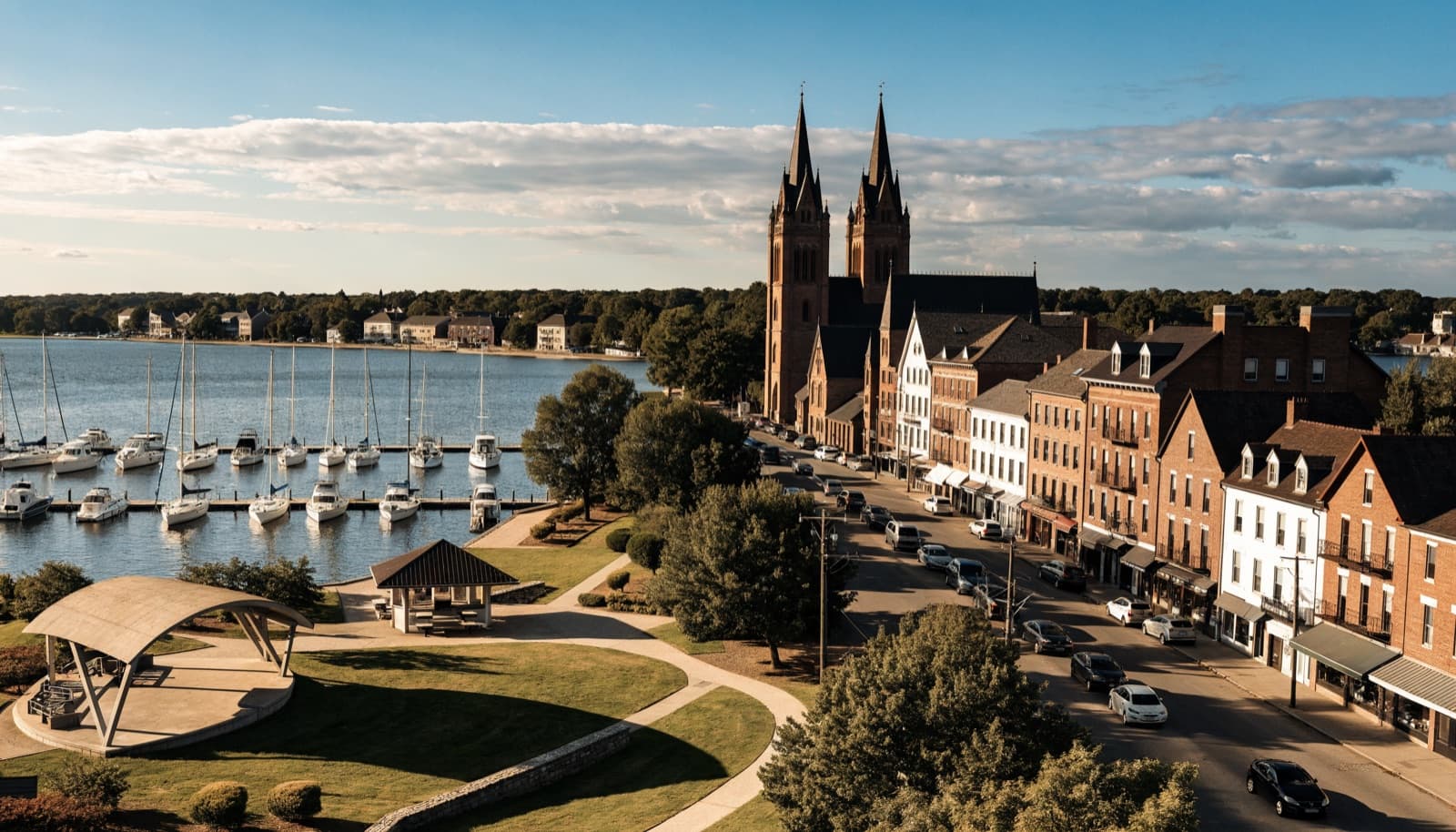
A Suroît regional service centre with an older Rue Victoria downtown, Baie Saint-François waterfront and varied residential sectors.
A Suroît regional service centre with an older Rue Victoria downtown, Baie Saint-François waterfront and varied residential sectors.
Highway 30 supports regional driving, while municipal transit and exo Sud-Ouest line 1 provide public options; verify current routes and schedules.
Confirm current programs, eligibility and boundaries with the CSS de la Vallée-des-Tisserands, New Frontiers School Board or institution concerned; Collège de Valleyfield is in the city.
Baie Saint-François, Parc Delpha-Sauvé, the old canal and regional trails, with events and water activities subject to current conditions.
Salaberry-de-Valleyfield is a regional service centre in the Suroît, built around Baie Saint-François and an older downtown near Rue Victoria. The city includes commercial and institutional services, waterfront public spaces, established residential sectors and industrial or employment areas. Daily conditions vary by neighbourhood and proximity to major roads, rail, industry and water.
Housing includes older detached homes, duplexes and other multiplexes, postwar properties, condominiums and later construction in some sectors. Building systems, renovation history, tenancy, zoning and environmental context can differ materially. Compare recent sales and current listings for the same property type and micro-area rather than assuming a city-wide affordability or investment advantage.
Highway 30 is the main regional link, with Highway 20 accessible to the north through the broader corridor. The city does not have an exo commuter-rail station. Travel toward Montréal, the South Shore or Vaudreuil-Soulanges depends on route, schedule, weather, construction and congestion; test the actual recurring trip and check current public-transit options.
The Centre de services scolaire de la Vallée-des-Tisserands administers French public schools, the New Frontiers School Board is associated with English public education subject to eligibility, and Collège de Valleyfield is a local CEGEP. Hôpital du Suroît and other services are in the city. Confirm school assignment, programs, transport and health-service availability directly with the relevant organization.
Baie Saint-François, Parc Delpha-Sauvé, the old canal and regional trails provide public recreation settings. The Régates de Valleyfield and other events follow current calendars and can affect traffic, access or noise. Near water, review current flood and shoreline mapping, water conditions, seller declarations, insurance and property-specific restrictions.
Official source links checked in August 2026. Listing availability updates automatically.
Jonathan Ehrlick is a Québec-licensed residential real estate broker with eXp Agence immobilière who serves Salaberry-de-Valleyfield in English and French. Use this page to follow current listings and local context, then get advice tailored to your property, timing and goals.
Compare homes in Salaberry-de-Valleyfield, understand current competition and keep financing, inspection, conditions and deadlines organized.
Review comparable sales, current competition and your property's condition before choosing a pricing and launch plan for Salaberry-de-Valleyfield.
For municipal services, school attendance areas, transit schedules and property-assessment records in Salaberry-de-Valleyfield, consult the official links below. This guide is editorial and general in nature; boundaries, eligibility, schedules and municipal information can change. Official links verified August 26, 2026.
Current transit note
The city operates a municipal transit network, and exo line 1 connects the area with Beauharnois; consult both official networks for current routes and schedules.
Local business data powered by Google.