1 699 999 $
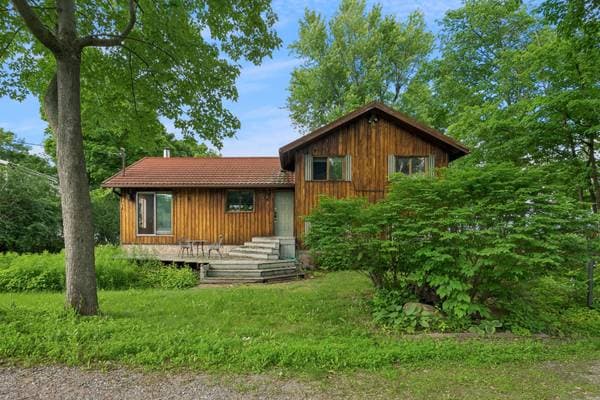
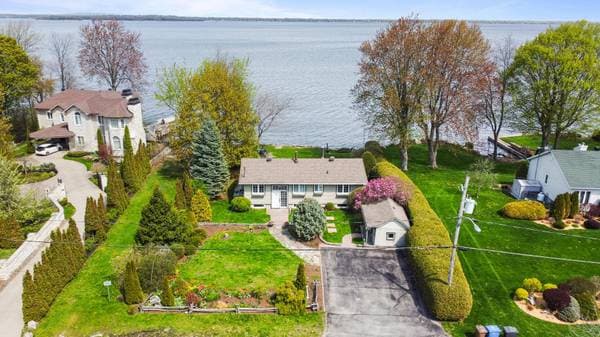
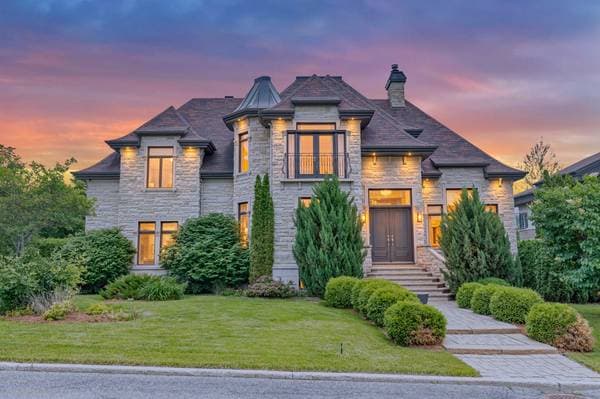
6 Rue Simone-De Beauvoir
Notre-Dame-de-L'Île-Perrot
5 chambres3 salles de bain3627 pi²
Hors-île
Une municipalité du sud de l'île Perrot avec des terres agricoles, des secteurs boisés et résidentiels établis, de grands terrains et une longue rive.
Une municipalité du sud de l'île Perrot avec des terres agricoles, des secteurs boisés et résidentiels établis, de grands terrains et une longue rive.
L'autoroute 20 et les gares exo se trouvent au nord ou dans les municipalités voisines de l'île Perrot. L'accès porte à porte varie beaucoup selon l'adresse.
Confirmez l'admissibilité, les programmes, le transport et les bassins actuels auprès du CSS des Trois-Lacs ou de la Commission scolaire Lester-B.-Pearson.
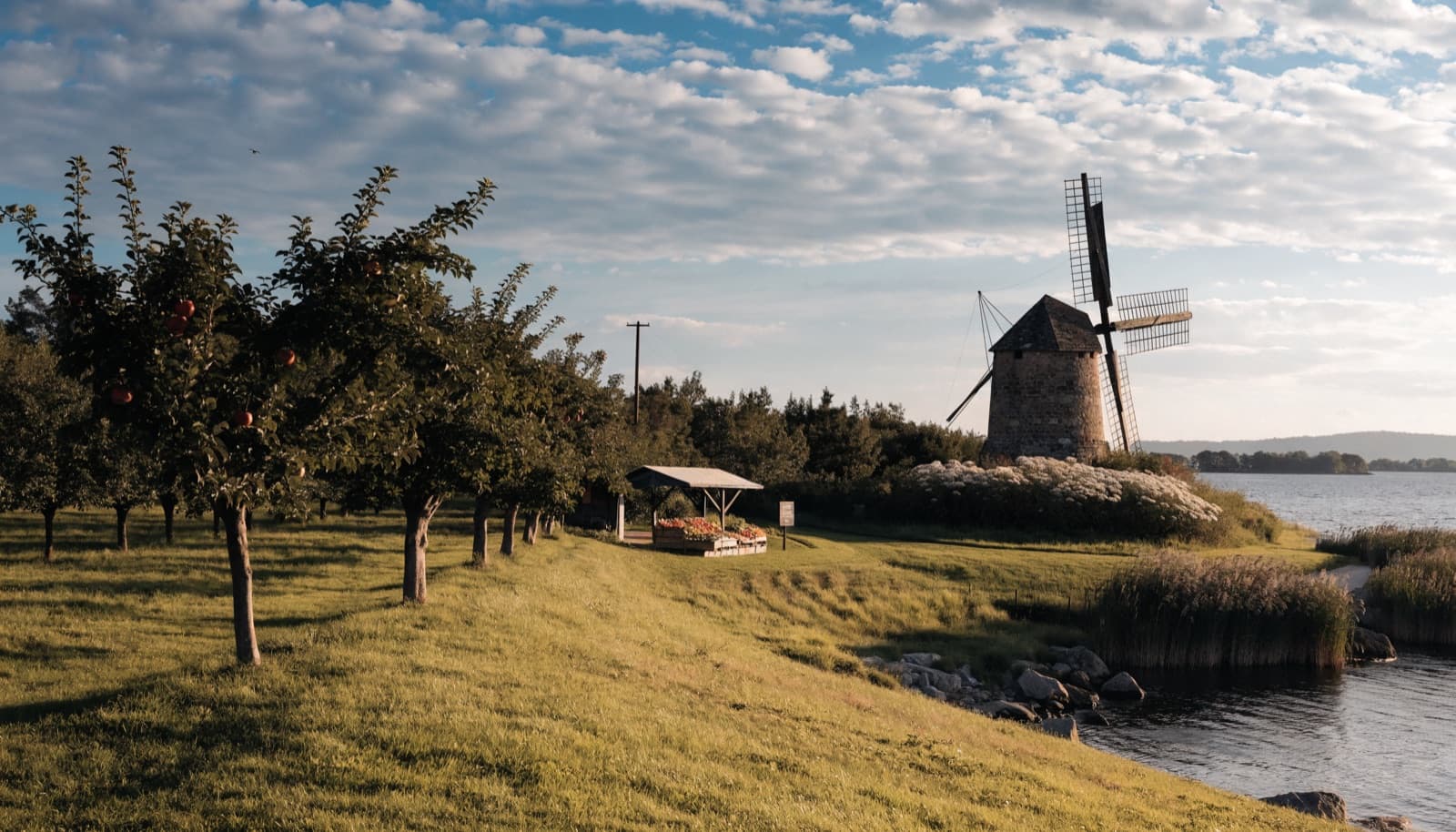
Pointe-du-Moulin, la ferme Quinn et les secteurs riverains du lac Saint-Louis, selon les accès saisonniers et les droits propres à chaque propriété.
Notre-Dame-de-l'Île-Perrot occupe une grande partie du sud et de l'est de l'île Perrot. Son territoire comprend des terres agricoles, des secteurs boisés et peu denses, des quartiers établis et une longue rive. Le type de propriété, les services et les déplacements varient beaucoup sur le territoire.
Le parc immobilier va des cottages et maisons unifamiliales plus anciens aux constructions plus récentes, grands terrains, propriétés rurales ou voisines de fermes et certaines maisons riveraines. Vérifiez le zonage, le statut de zone agricole, les limites, les servitudes, les systèmes municipaux ou privés d'eau et d'eaux usées et l'état des dépendances. Un grand terrain boisé peut entraîner davantage d'entretien et d'obligations réglementaires.
L'autoroute 20 traverse le nord de l'île Perrot plutôt que le centre de cette municipalité, et les gares exo se trouvent dans des municipalités voisines de l'île. Le temps jusqu'à une gare, une autoroute, un pont ou un service régional dépend de l'adresse précise. Essayez le trajet complet aux heures pertinentes et consultez les horaires et renseignements actuels sur les ponts.
Les écoles publiques francophones relèvent du Centre de services scolaire des Trois-Lacs, tandis que les élèves admissibles au réseau public anglophone peuvent relever de la Commission scolaire Lester-B.-Pearson. Confirmez directement l'admissibilité, les programmes, le transport et les bassins; n'utilisez pas des présomptions scolaires ou familiales pour caractériser un quartier.
Pointe-du-Moulin et la ferme Quinn sont des destinations locales reconnues dont l'accès, l'admission, les événements et les activités varient selon la saison et l'exploitant. Pour toute propriété près du lac Saint-Louis ou d'une autre rive, examinez les cartes actuelles des inondations et des rives, le drainage, les déclarations du vendeur, l'assurance, les droits d'accès à l'eau et les restrictions de travaux. La proximité d'une rive publique ne crée pas une propriété riveraine privée.
Liens vers les sources officielles vérifiés en août 2026. La disponibilité des propriétés se met à jour automatiquement.
Jonathan Ehrlick est courtier immobilier résidentiel au Québec auprès d'eXp Agence immobilière et dessert Notre-Dame-de-l'Île-Perrot en français et en anglais. Consultez les propriétés actuelles et le contexte local, puis obtenez des conseils adaptés à votre propriété, votre échéancier et vos objectifs.
Comparez les propriétés à Notre-Dame-de-l'Île-Perrot, comprenez la concurrence et gardez financement, inspection, conditions et échéances bien organisés.
Examinez les ventes comparables, la concurrence et l'état de votre propriété avant de choisir un prix et un lancement à Notre-Dame-de-l'Île-Perrot.
Pour les services municipaux, les bassins scolaires, les horaires de transport collectif et les rôles d'évaluation à Notre-Dame-de-l'Île-Perrot, consultez les liens officiels ci-dessous. Ce guide est éditorial et de nature générale; les limites, l'admissibilité, les horaires et les renseignements municipaux peuvent changer. Liens officiels vérifiés le 26 août 2026.
Données sur les commerces locaux fournies par Google.